Director Anand Chhabra plays a key role towards the Bradford Family Album as part of Bradford City of Culture 2025.

Anand Chhabra contributed significantly to the Bradford Family Album, a major community archive project developed as part of Bradford 2025: UK City of Culture. His work supported both the creation of the archive and the development of the exhibition Make Yourself at Home, which explores migration, belonging, and everyday life in Bradford through community-shared photographs and stories.

Working in close collaboration with Impressions Gallery and the Bradford 2025 team, Anand was honoured to work alongside renowned director Anne McNeill and an exceptional group of artists, producers, and facilitators. Together, they helped shape a project grounded in care, trust, and collaboration, placing lived experience at its centre.

The Bradford Family Album received national recognition, widespread media coverage, and strong public engagement, attracting over 10,000 visitors to the exhibition and reaching audiences worldwide online. The project demonstrated a growing appetite for community-led storytelling, where people are empowered to share their own histories in their own voices.

Anand led a series of workshops focused on ethical community engagement, photography, digitisation and scanning, and exhibition-making. These sessions supported participants through the process of building a shared archive, resulting in a rich and accessible online platform

Working closely with young people throughout the project was especially inspiring. Their commitment, openness, and collaborative spirit placed them at the heart of shaping the archive. Alongside Angela Sheard and Jennifer Sobol, Anand witnessed the project develop into its final phase, as the Bradford 2025 team brought together community groups, digitisation work, and creative production.

The outcome is Make Yourself at Home, a world-class exhibition that reflects the ethos of the Apna Heritage Archive while remaining a distinct and original collaboration led by Impressions Gallery and the Bradford 2025 team. The exhibition will be on view from 12 September to 20 December 2025.
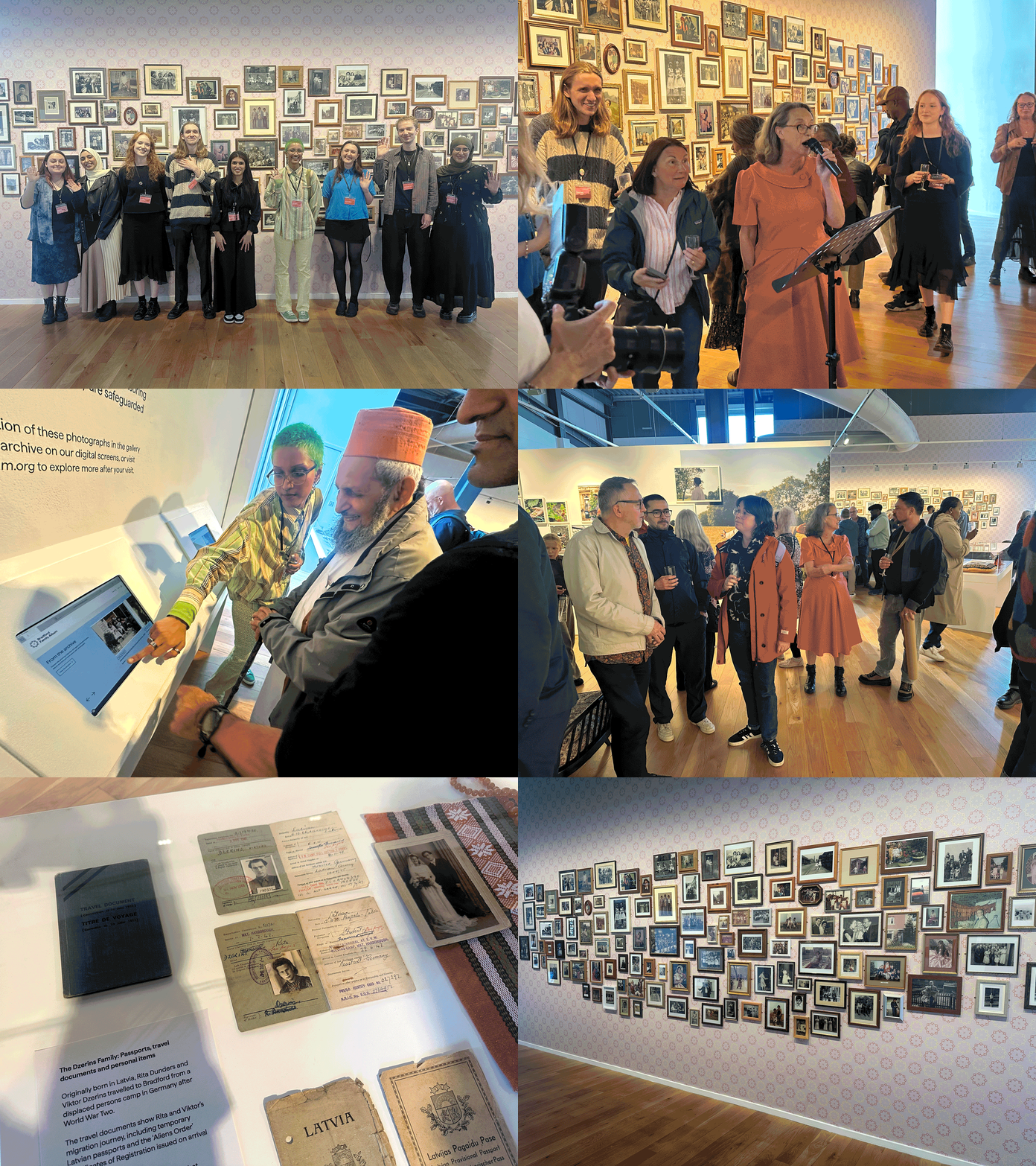
Bradford Young Curators take centre stage at launch of ‘Make Yourself at Home exhibition at Impressions Gallery, Bradford and as part of the Bradford City of Culture 2025 programme.

“Learning from Brian Liddy and Anand Chhabra about the practical realities of archives and community work felt like a turning point for me. Their session helped shape how I now think about my future career.”

A short film documenting the programme and its impact was produced by Impressions Gallery and features Anand Chhabra’s work with Impressions Gallery and the BYC team.



BCVA's collaborative work with AI artist Sakab Bashir and Animators Wilson brothers for the Derby Yaadaañ Archive.

BCVA’s Derby Yaadaañ Archive (a 1,500-image collection), developed with our principal partners Derby Museums & Art Gallery (NLHF), explores new creative ways to share underrepresented South Asian histories. We were honoured to commission, for the first time, BAFTA-winning artist Sakab Bashir, who created a striking AI-assisted film from still images. The film features participant Fareed Hussain, reflecting on his journey to Derby and a life lived been apart of the community on Derby. We are deeply grateful for his generosity and eloquence. Special thanks also goes to our biggest supporter of the archive in Derby Phil Basi for the much needed film production of Fareed’s interview. Enjoy the film!

Alongside the film, we also explored traditional animation as another way of telling community stories. We chose to share one story from each of the communities that co-created the archive: the Mirpuri-speaking Pakistani community and the Indian community. Working with the brilliant Wilson Brothers, we animated a vibrant story of Punjabi youth culture in the early 1980s, centred on Derby’s own Rashpal and Manjit Sandhu. Their influence was pivotal in helping Bhangra flourish, shaping South Asian youth identity in Derby and across the UK, including the first national television coverage of a Bhangra band — Heera — on Blue Peter. We are incredibly proud of this collaboration and deeply thankful to the Wilson Brothers, and to Rashpal and Manjit Sandhu, for sharing such an important story.

Snapshots on the Shore: Punjabi Families and the Reimagining of British Seaside Culture written by Rianne Samuda MA student at De Montfort and in partnership with Black Country Visual Arts

Seaside tourism has long been a cultural fixture in Britain. John Urry discusses British seaside towns emerging in the 19th century as a healthful retreat for the upper classes. Then in the 20th century those seaside resorts gradually became more accessible to everybody. Places like Margate, Brighton, and Blackpool were transformed into bustling hubs of leisure. Complete with donkey rides, amusement arcades, and promenade photography. The beach became more than a holiday destination; it was a shared social ritual, deeply embedded in the national psyche.

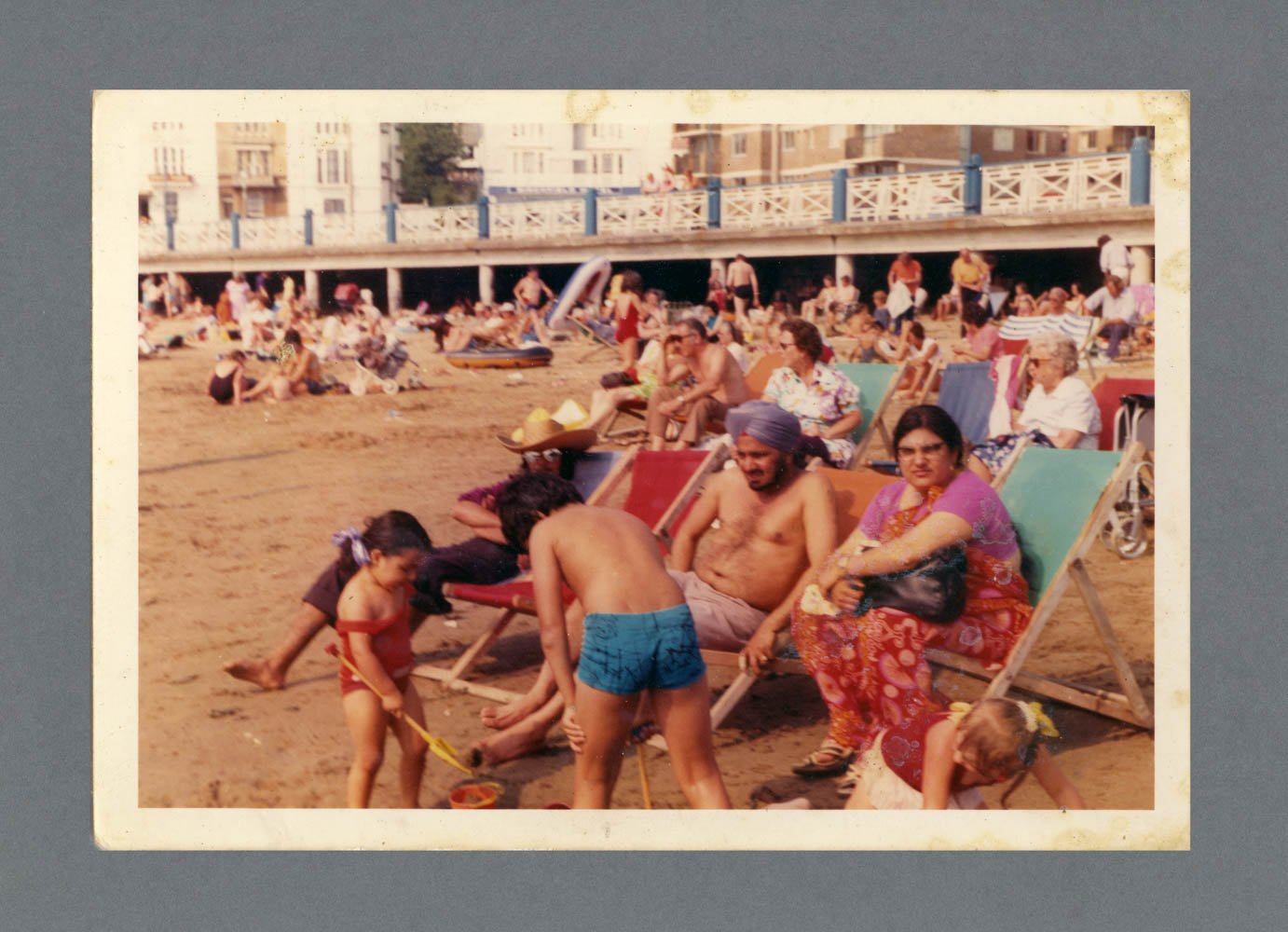
Figure 1: Bhajan Kaur, Blackpool c.1985

Photography played a central role in this ritual. Families captured their outings in posed portraits or spontaneous snaps, cementing the seaside as a space of memory, belonging, and identity. Holiday photos weren’t just souvenirs; they were declarations of participation in a cultural tradition; material proof of a life lived in step with national rhythms.

For many postwar migrants, including South Asian settlers from Punjab, participating in this visual culture was a way to navigate the unfamiliar contours of British life. The Apna Heritage Archive houses hundreds of photographs taken by Punjabi families at various British seaside resorts. These images reveal how these communities embraced the seaside as both a leisure space and a performative stage of belonging.

One such image captures this dynamic beautifully.

Figure 2: Joginder, Satinder, Monica and Narinder Phokela, Blackpool c.1976

A sun-soaked beach bustles with the easy chaos of a British summer holiday. Amid rows of deckchairs and scattered beach towels, a Punjabi family anchors themselves in the sand. A man in a light blue turban reclines shirtless in a red-striped chair. Beside him, a woman in a bright floral sari rests her arm gently on her handbag. Around them, children play in the sand. A blonde child joins them, a sign of playful mingling on a communal beach.

Behind them, dozens of holidaymakers. Sunbathing families and strangers stretch along the shore in shared leisure. The scene is unmistakably British: the classic deckchairs, the concrete promenade with its white and blue balustrade, the terraced buildings overlooking the sea. But the photograph also speaks to something deeper. A quiet assertion of cultural presence. This family, dressed partly in traditional clothing, partly in swimming trunks and sandals, has laid claim to the sand not as outsiders, but as full participants in a national ritual.

Photography here becomes an act of agency. By taking and keeping these photos, Punjabi families inserted themselves into a visual narrative from which they were often excluded. They reframed the beach, not as a relic of Britishness, but as a shared reimagined space. As scholar Marianne Hirsch reminds us, “Family photographs are not just images of the past, they are instruments of memory and identity; they help us narrate who we are, where we came from, and how we belong.”

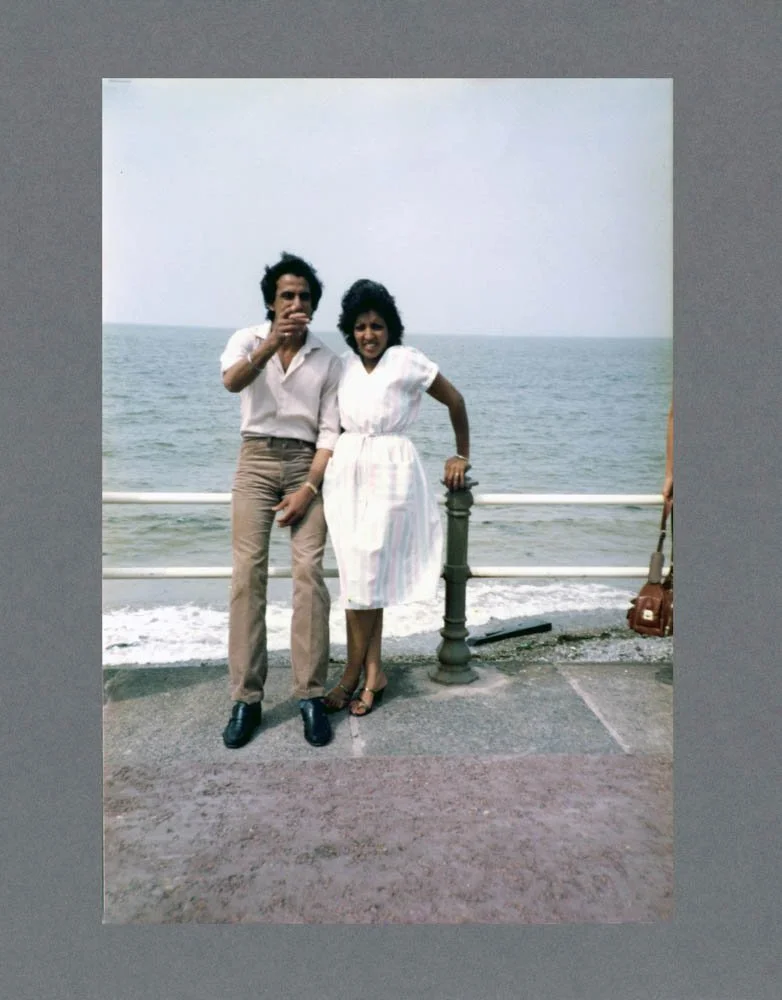
Figure 3: Pradeep, Jasvinder, Sandeep and Sukhvir Kalsi, Cornwall c.1986

Crucially, these photographs do not act in isolation. Martha Langford argues in her essay; family photo albums are not static records but dynamic performances of memory. They gain their full meaning not from silent viewing but from being spoken. Narrated by parents or elders, who layer them with stories, emotions, and cultural significance. In Langford’s oral-photographic framework, the family album becomes a medium through which diasporic identity is continuously shaped and shared. For these Punjabi families, the seaside snapshots are not merely documentation of assimilation. They are staged conversations, passed across generations to affirm continuity, place, and belonging.

Figure 4: Bhajan Kaur, Blackpool c.1985

In an era when public discourse around migration was often fraught, these ordinary moments of joy and integration carry extraordinary significance. They challenge monolithic ideas of what it means to be British and remind us that belonging is not only legislated from above but lived and documented from below.

Figure 5: Christine Shutt with Pradeep, Rhyl, Wales c.1981

The beach, once a symbol of imperial leisure and native nostalgia, becomes in these photos a site of plural identity. Archives like Apna don't just preserve history. They offer a richer, more inclusive way of seeing who shaped modern Britain.

These photographs are more than snapshots—they’re fragments of lived experience, woven into the broader story of migration, memory, and belonging in Britain. If this glimpse into the lives and memories of Punjabi families by the sea has sparked your interest, we have curated an online exhibition featuring many of the family images from the Apna Heritage Archive which can be found here:

https://www.bcva.info/online-exhibition-british-punjabi-staycations

Bibliography

Hirsch, Marianne. Family frames: photography, narrative, and postmemory. Cambridge, Massachusetts: Harvard University Press, 1997. https://archive.org/details/familyframesphot0000hirs/mode/2up

Langford, Martha. "Speaking the Album: An Application of the Oral-Photographic Framework." In Locating Memory: Photographic Acts, edited by Annette Kuhn and Kirsten McAllister, 223-246. Oxford: Berghahn Books, 2006. https://www.degruyterbrill.com/document/doi/10.1515/9781782381990-012/html

Urry, John. The Tourist Gaze. 2nd ed. London: Sage Publications, 2002. https://archive.org/details/touristgaze0000urry/mode/2up

Wedding photography: from our private photographs to the public sphere written by Laura Turner MA student at De Montfort and in partnership with Black Country Visual Arts

Following my colleague Aleks Trodovov’s insightful blog on marriage within the Punjabi community in the UK, I wanted to explore how photography—particularly wedding photography—played a role in shaping memories and identities within Punjabi communities in the Black Country during the 1970s and 1980s.

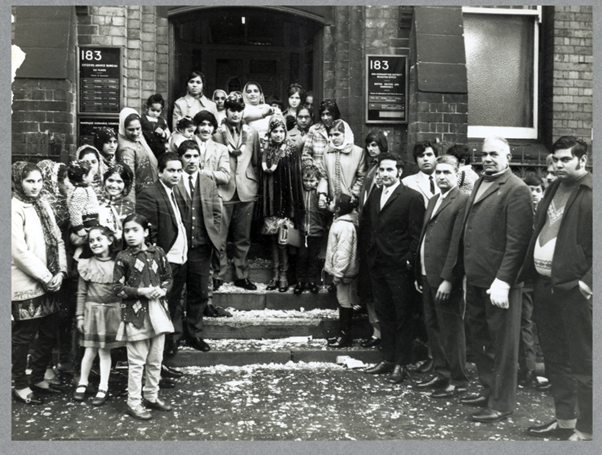
Fig. 1, Hitchin, Register Office, Usha Ghai with Prem Pal and Family, c1974. Apna Heritage Archive

Wedding photography changed during this period as social and economic conditions evolved, and as new camera technologies—especially colour photography—became more widely available. These developments are visible in many of the photographs in the Apna Heritage Archive.

Fig. 2, Wolverhampton Register Office c1973, Dharshan Singh Atwal with Surrender Kaur Sohi and Family, Apna Heritage Archive

At many weddings, both professional photographers and guests took photos. While professionals focused on formal portraits, guests often captured more candid, spontaneous moments—one such intimate moment can be seen in Fig. 3, with Surjit and Paramjit Sond.

In the 1970s and 1980s, Indian wedding photography was generally straightforward, often documentary-style, capturing moments of rituals, family interactions, and celebration. Cameras became more affordable during this time, and wedding guests could use compact, user-friendly point-and-shoot or single-use cameras. This made it easier for them to take informally posed photographs, adding another layer of commemoration to the occasion.

Fig. 3, Caledonia Rd, c1972, Surjit S. Sond & Paramjit K. Sond. Apna Heritage Archive

Today, such photos help us learn about the vibrant traditional clothing, jewellery, and festive atmosphere of these events—especially striking when compared to the more plain and practical settings of local registry offices, where many weddings are held today.

Family photographs form a special kind of photography, but they include a wide range of styles and approaches. In the 1970s, one couldn’t instantly review or delete a photo if it didn’t turn out well. As a result, some images show, for example, a family member accidentally cut out of the frame—but these photographs were still kept and cherished as part of the celebration of the event.

The wedding photographs in the Apna Heritage Archive have a dual character. They are intimate and meaningful family photographs, but they’ve also become a valuable resource for anyone interested in the cultural history of Punjabi migrants who settled in the West Midlands from the 1960s to the 1980s. They demonstrate with great clarity how wedding photographs are more than mere records of past moments and changing technologies but also reflections of social change, ethnic traditions, conventional approaches to gender roles, and economic conditions, offering insights into broad shifts in community life.

Fig. 4, Allen Rd, Surjit S. Sond & Paramjit K. Sond. Apna Heritage Archive

Steve Edwards notes that, “photographic images play as significant a role in shaping public memory as they do in family memory.” This is especially true now that these once-personal family photographs have entered the public sphere through the community archive. It’s worth asking: how do they now shape both family and public memory?

The word “Apna” in Punjabi, meaning “ours,” resonates powerfully in the context of these wedding photographs. Once personal mementos belonging to individual families, they now form part of a shared cultural archive—transformed from personal memory into collective heritage. Their presence in the Apna Heritage Archive exemplifies how photography can act not only as a vessel of remembrance but as a medium through which communities articulate belonging, identity, and continuity across generations.

Wedding photographs in the Apna Heritage Archive embody the negotiation of cultural hybridity, capturing moments where British and Indian traditions intertwine in subtle and expressive ways. Through the vivid textures of clothing, the rituals performed, and the gatherings these photographs frame, they offer layered insights into the lived experience of migration, adaptation, and community formation in the Black Country.

I feel privileged to be an onlooker at these personal community photographs of intimate family events.


Bibliography

Chhabra, Anand. “Punjabi Migration to the Black Country: A Photographic Journey through History, Cultures and Digital Technology,” Photography and Culture 14, 3 (2021): 415–431. https://doi.org/10.1080/17514517.2021.1927373

Edwards, Steve. Photography: A Very Short Introduction. United States: Oxford University Press, 2006.

Indian Wedding Photography blog. “Modern Indian Wedding Photography Trends in the United Kingdom: A Journey Through Five Decades of Evolution.” Accessed April 26, 2025. https://www.blog.indianweddingphotography.co.au/2024/11/united-kingdom-and-modern-india

Simine de – Arnold, Silke & Leal, Joanne. Picturing the Family: Media, Narrative, Memory. London: Bloomsbury, 2018.

Warren, Lynne. Encyclopaedia of Twentieth Century Photography. New York: Routledge, 2005.


Punjabi immigration to the UK – creating a new home away from home written by Aleks Todorov PhD student at De Montfort and in partnership with Black Country Visual Arts

We are thankful to Professor Gil Pasternak for introducing us to PhD student Aleks Todorov who has been brilliant writing and also working on the SEO for our archive which we are very excited about. A massive thanks to Aleks for his hard work. This I the third in the series of blogs he has written!

Causes of Punjabi migration to the United Kingdom and the West as a whole is still a debated topic amongst researchers. Some are caused by domestic issues – low income due to small land property, no opportunities outside of farming and a high demand for labour in post-war United Kingdom. It is also important to note that the concentration of migrants, especially from Punjab could be linked to old imperial connections with the United Kingdom. Very often Punjabis served in the British Indian Army. It is further important to note that some scholars argue that although the people in Punjab come from relative high poverty, poverty is not the main factor causing migration.

The Midlands was a preferred destination for Punjabis, due to it’s expanding economy and booming car industry after shortage of labour in the post war years. Once here family ties were important and the migrants didn’t always intend to settle permanently. Their aim was to earn money and return to India, therefore finding a job was of crucial importance. However, in most occasions that was not achieved.

As Steve Taylor explains Punjabi Sikh migration experiences for permanent settlers in the UK is complex. Although migrants are joined by family members, migrants still keep connections with India, for example the frequent sending of funds to aid less fortunate relatives. Furthermore, often purchasing property in the UK and maintaining one in Punjab would lead to frequent travel across the two countries. Therefore, one could consider ‘home’ as both lived and imagined. In a research Jat Sikhs expressed the importance of maintaining a connection with Punjab and their roots.

Many Punjabis in the 60s expressed a longing for a home, citing that the UK is a ‘prison of choice’, where nobody would form kinship with anyone due to the fact that everyone is always working. Therefore, on occasions there was a palpable attempt to reproduce Punjab in the homes of migrants here in the UK, and in a sense the building of a home outside of home is a continuous pursuit.

In the context of family photography, such images play key role in preserving memory in the form of oral history. Although photographs often could change meanings after a family member has died, through oral history they can remain a key anchor to ancestry and origin and could be seen as the metaphorical glue that binds the community or family unit together. Researchers affirm that photos are memory capsules, where they serve in building family myths and narrative transcending time and place. In viewing the photograph one can connect stories and lives across geographical places and generations. Women would play the key role as keepers of such memories and would be the main storytellers.

Overall, the sense of home and belonging is a complex one in the context of Punjabi immigrants in Britain. It is also important to note the duality of the notion of home – that it’s both lived and imagined.

Bibliography:

Taylor, Steven. “The Diasporic Pursuit of Home and Identity: Dynamic Punjabi Transnationalism”. The Sociological Review, 62 (2014).  276-294. https://doi.org/10.1111/1467-954X.12155

Mahal, Chandan. “Family History, Ancestral Place and Diaspora: material culture and community heritage for people of Punjabi descent in Lonon” (2022), PhD Theiss, Queen Mary University of London.

Rajan, S. Irudaya, Vekkal John Varghese, and Aswini Kumar Nanda, eds. Migration, mobility and multiple affiliations. Cambridge University Press, 2016.

Chanda, Rupa, and Sriparna Ghosh. "The Punjabi diaspora in the UK: An overview of characteristics and contributions to India." IIM Bangalore Research Paper 380 (2012).


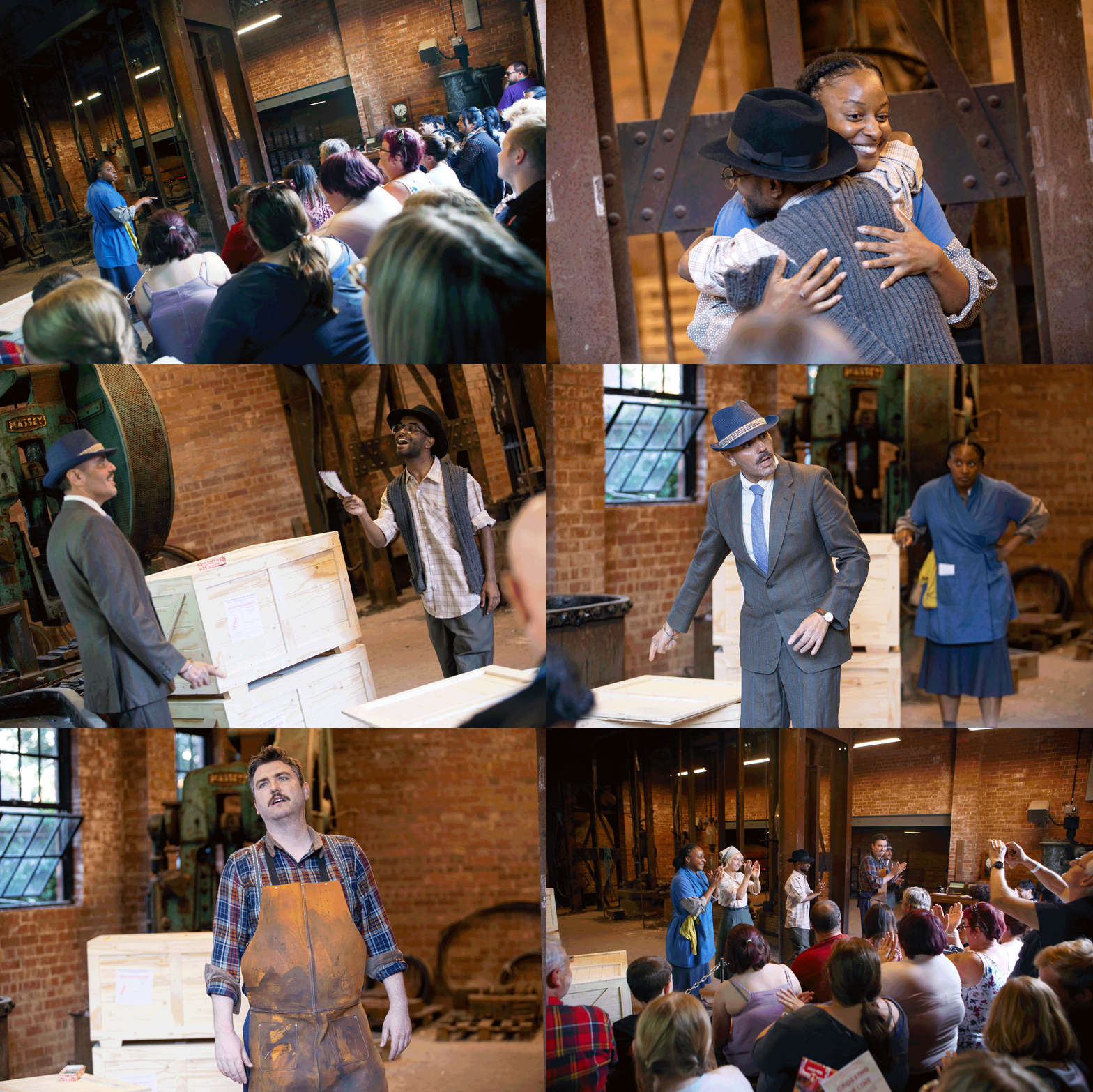
‘Crossing the Line’ – A Black Country Touring Production at the Black Country Living Museum

It is always a pleasure to support Black Country Touring (BCT) with photography. Once again, their work strikes the right note in bringing regional history to life through powerful storytelling.

This time the production is set against the backdrop of the Black Country Living Museum (BCLM), in its newly developed Industrial Quarter. Here audiences can experience BCT’s latest historical drama, which explores themes deeply connected to the region’s past – including migration, industrial labour, picket lines and the wider tensions of the Cold War.

The production offers a compelling reflection on the social and political forces that shaped communities across the Black Country.

Well worth seeing. Remaining performance dates and times in August can be found here:
https://www.bctouring.org.uk/our-productions/crossing-the-line

Black Country Touring's 'Crossing the Line' drama production © Anand Chhabra

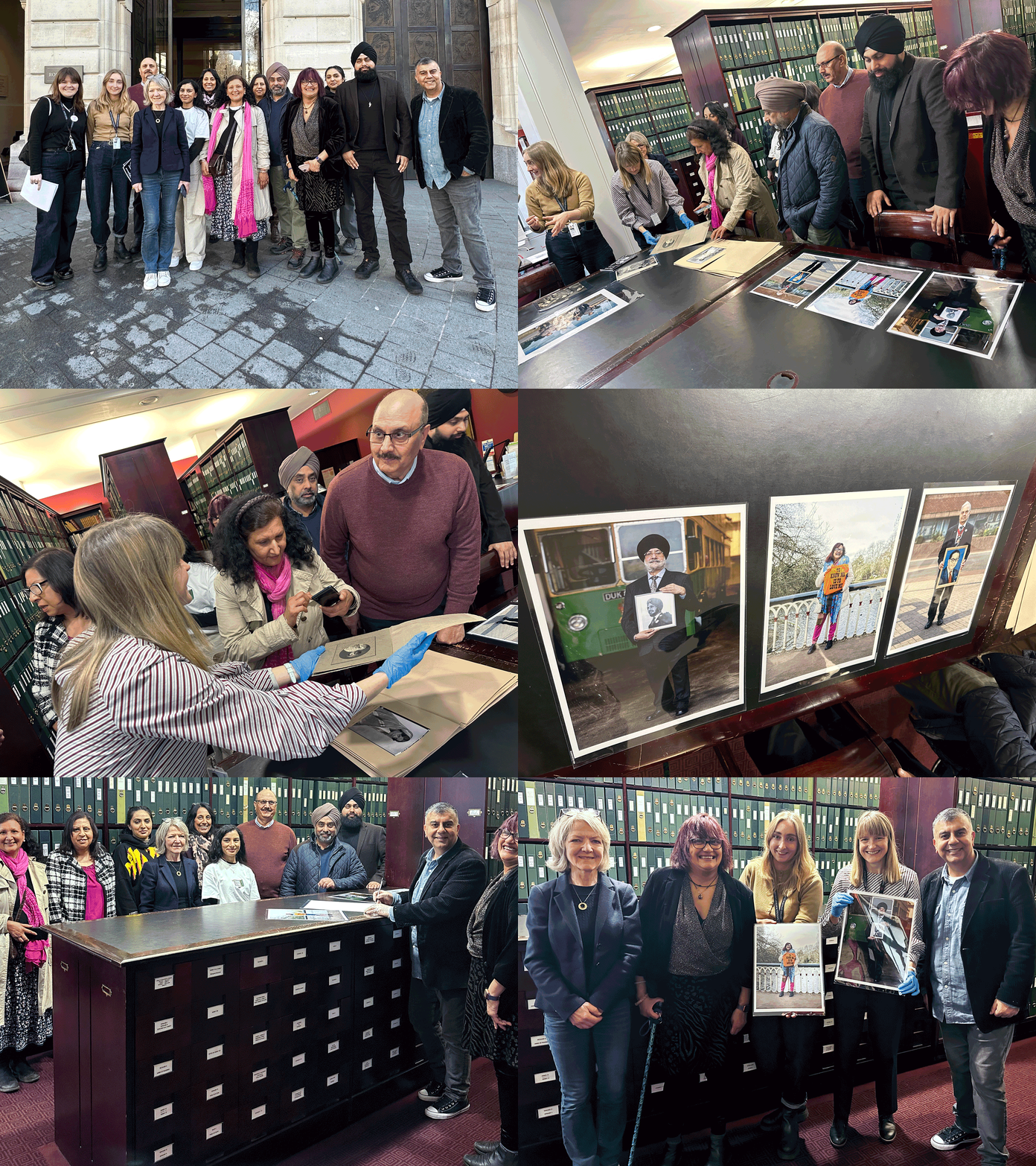
National Portrait Gallery acquire portraits by Anand Chhabra for their collections

We are grateful to National Portrait Gallery for hosting our director and artist Anand along with local Punjabi communities from Wolverhampton who attended a special day for the signing of photographic portraits by Anand.

The portraits acquired by NPG and Wolverhampton Art Gallery are of significant Punjabi’s from Wolverhampton such as the Tarsem Singh Sandhu the man at the centre of the infamous turban ban dispute along with Kuli Kohli the first disabled asian woman poet laureate of Wolverhampton and also the former mayor of Wolverhampton Bishan Dass who was the first mayor in the UK. The portrait work created by Anand Chhabra resulted from a commission by the National Portrait Gallery on their Citizen UK Researcher Project.

The commission focussed on looking at Punjabi Migration and through a great group of volunteers who worked as researchers found some amazing individuals in the city to collate their stories through oral history, collective archive photographs and take portraits. The work resulted in an exhibtion at Wolverhampton Art Gallery and was lauded and celebrated in the city. It was so good to celebrate with the community who made the effort to travel from Wolverhampton. Special thanks to the community of researchers as well as Carol Thompson Senior Curator from Wolverhampton Art Gallery, Producer on the Citizen UK work Alex Talbot and acquisitions officer Clare Freestone both from the NPG. The exhibtion and co-created work that was led by artist Anand Chhabra is detailed in previous posts on this blog.

Wolverhampton Citizen UK researcher celebrate with artist Anand Chhabra acquisition of portraits at the National Portrait Gallery/ May 2024. .

FAMILY PHOTOGRAPHY – memory, relationships and belonging. written by Aleks Todorov PhD student at De Montfort and in partnership with Black Country Visual Arts.

We are thankful to Professor Gil Pasternak for introducing us to PhD student Aleks Todorov who has been brilliant writing and also working on the SEO for our archive which we are very excited about. A massive thanks to Aleks for his hard work. This I the second in the series of blogs he has written!

As the Apna Heritage Archive houses over 2000 domestic and amateur photographs it would be beneficial to address the historical, social, and even political importance of such images. It is worth asking the question – what the relationship between family and photography and how familial memory is, and could it be shaped through the lens?

Firstly, it is important acknowledge familial photographs evoke meaning and sentiment not necessarily similar between, what Patricia Holland calls the outside reader and users of such photographic medium, in other words the reader is not necessarily made privy to the user’s private understanding of the image. However, such photography allows the outsider to participate in the formation of history and familial memory. It is further important to note that familial memory is an undividable and pivotal element of our collective memory. The photographs housed here open a window towards a more intimate familial events, such as weddings, raising children and celebrations, however they reflect wider notions such as immigration and the sense of belonging.

Photography is woven deeply in remembrance and belonging, even Kodak would advertise the importance of taking photographs with a small threat that not taking photographs will lead to events ultimately fading into memory and being irreversibly lost. In other words, photography is the medium that prevents events being thrown into obscurity.

Steve Edwards in his book “Photography a very short introduction” elegantly explains the role of storytelling and memory within a familial photographic context, as in memory could emerge when an image is brought up in a social context and often in series or in a specific order. This is to be observed in the case of the Apna Heritage archive – photographs are often grouped to show one family at a time.

Through preserving such domestic images, one might argue that the link between generations is preserved. This special link between ‘the young’ and ‘the old’ can be used as learning opportunity – similarities in clothing, culture, interests and even religious observance enhances the sense of belonging in a particular group of people and help understand our own identities. It helps reinforce the existence (and sometimes lack of) the desire to feel at home.

In the context of immigration of the Punjabi community in Britain, it would be beneficial to point out that familial photography plays a pivotal role in establishing (or re-establishing) the notion of home, within new and unfamiliar circumstances, by celebrating key milestones in life.

Through this brief introduction it was established a small framework of domestic photography as a whole, and specifically attempting to place it in the context of the photographs exhibited in the Apna Heritage Archive.

 Bibliography:

Erkonan, Şahika. "Photography and the construction of family and memory." Politics, Civil Society and Participation: Media and Communications in 257 (2016): accessed online

Cobley, Paul, Haeffner, Nick. “Digital cameras and domestic photography: communication, agency and structure.” Visual Communication, 8(2), (2009): 123-146. https://doi.org/10.1177/1470357209102110

Steve Edwards. Photography: A very short introduction. United States: Oxford University Press ,2006.

Katherine Hoffman. Concepts of identity: Historical and contemporary images and portraits of self and family. New York: Routledge, 2018.

SUPNAA: Dreams of Our Fathers – Community Engagement at FORMAT24, Derby

The location of this exhibition is particularly important and reflects BCVA’s commitment to bringing high-quality arts activity directly into South Asian communities. Normanton in Derby is home to one of the city’s largest Pakistani communities, making it a meaningful setting for presenting this work and engaging local audiences.

Group visits are an important part of the project’s approach, creating welcoming opportunities for people to experience the exhibition and engage with creative work that reflects their heritage and lived experience. As the exhibition drew to a close, a local women’s group was invited not only to view the work but also to contribute their own migration stories and reflections on life in Derby.

Participants brought family photographs and shared personal histories, enriching the developing South Asian archive for the city while demonstrating how arts activity can support storytelling, cultural pride and intergenerational dialogue.

You can read some of the audience responses to the exhibition here:
here:-  SUPNAA 2024 Visitor feedback

Indian ladies group visit and engage with the exhibtion sharing their own stories

Supnaa: Dreams of our Fathers exhibition at Arboretum Orangery at FORMAT24 March 19th -April 21st 2024

Every migrant has ‘a dream’ when they arrive to the city, certainly that’s my lived experience amongst so many people groups now present in the UK. There are many varied reasons as to their arrival and yet all want to seek a better life for themselves and to cherish their children’s future. Its perhaps everyone’s dream arriving to the city.

My father was no different and was promised that England’s streets were paved with gold when he arrived in Wolverhampton in the late 1960s but soon the reality set in shortly before he arrived that infamous ‘Rivers of Blood’ speech by then Wolverhampton MP Enoch Powell.

This exhibition embodies a work that at Arboretum Park in Normanton Derby as part of FORMAT24. It’s a first time that an exhibition has been exhibited here as part of FORMAT. It was ideal for the artist as it’s in the most densely populated area for South Asians in the City and has been historically so since the 1960s. The work in the show has been curated is divided in three parts and shown in this film. Firstly, a look at my parents formative years as well as that of myself and my brother growing up in Wolverhampton. Secondly about the impact of the ‘Rivers of Blood’ speech and thirdly the dreams embodied through my father’s passion for Space Exploration and his positive influence on us to have high ideals.  The work is set on various visual platforms, family archive, portraits, ephemera photographed under controlled lighting and images the artist labels Dreamscapes. Images not necessarily noticeable but nonetheless laden with meaning.

The space handed to the artist was a challenge to set because of the nature of the room, we wish thank staff at QUAD who handle FORMAT24 and Arboretum Park Orangery for enabling and helping to enable the artists curation. Thanks to ACE for funding the project.

SUPNAA: Dreams of Our Fathers – Exhibition Launch at the Arboretum Orangery, Derby (16 March – 9 April 2024)

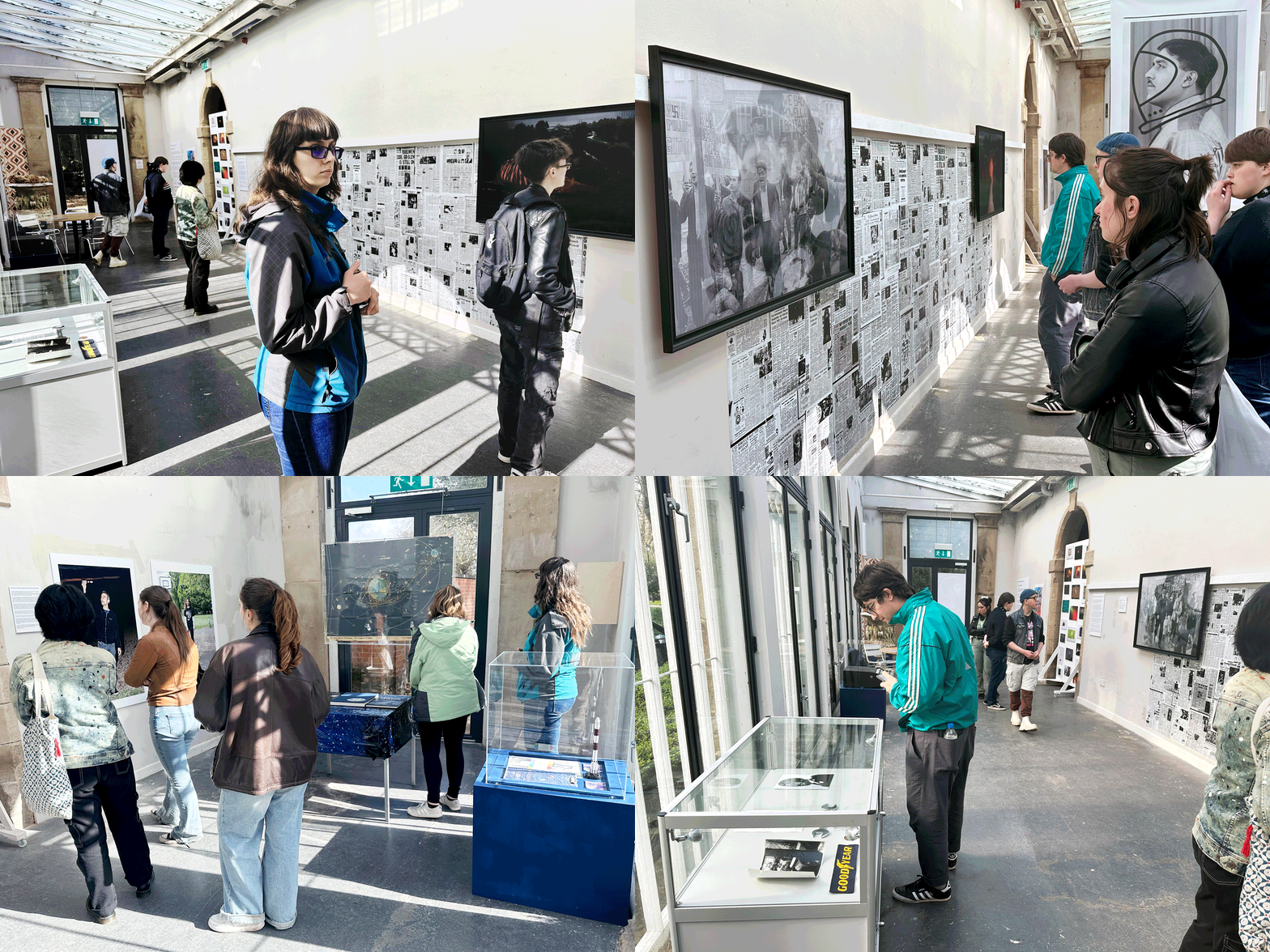
The exhibition welcomed a wide range of visitors, and it was particularly rewarding to host a group of talented and thoughtful Year 2 Fine Art Photography students from the University of Derby. During their visit, Anand Chhabra spoke about using the Orangery as a curatorial space and about communicating personal and collective histories through photography and archival ephemera.

The session offered students insight into the process of developing an exhibition and the ways in which photographic practice can engage with memory, identity and migration.

Special thanks to Thomas Wynne for bringing the students to experience the exhibition.

Universityof Derby students visit to see the curation of the Supnaa exhibtion at Arboretum Orangery, Normanton Derby.

Marriage within the Punjabi community in the UK. written by Aleks Todorov PhD student at De Motfort and in partnership with Black Country Visual Arts.

We are thankful to Professor Gil Pasternak for introducing us to PhD student Aleks Todorov who has been brilliant writing and also working on the SEO for our archive which we are very excited about. A massive thanks to Aleks for his hard work. This I the first in a series of blogs he has written!

Marriage is a large event in families and it’s only natural for this event to be present in an archive housing only family photographs such as the Apna Heritage Archive.

Firstly, it is important to recognize that the immigrants from Punjab do not form one monolithic group. The diaspora is diverse in religion, practices, and customs.

Kristina Myrvold from Lund University has explained there is a need for more research needed to form a more encompassing study on ceremonial practices of various communities in Punjab, however there are some common practices that are still seen in the Punjabi community in the UK and in Punjab.

In Sikh culture the marriage ceremony is short,)  the planning for the event can take a year to plan, and a wedding includes several pre-wedding and post-wedding ceremonies and rituals. The ceremony itself involves hymns composed by different Gurus and it serves as a confirmation that Sikhism is a distinct religion from Islam and Hinduism. After the marriage the couple will attain one soul in two bodies. Marriage is considered holy and is necessary precursor to fulfil to achieve the highest form of love – the love for the divine, and it is a parental duty to see their unmarried children married off and married life is seen as the most natural living.

In terms of practices the wedding ceremony encompasses both rituals based on the Guru Granth Sahib (Sikh holy text, scripture) and practices based more on folklore than religion, such as protections against evil eye, fertility and hopes for a long life.

The pre-wedding ceremonies include bringing of gifts for the marriage, dressing the bride in red coloured garments. The bride (and to some extent the groom) will receive henna art on the hands by an artist, followed by ritual application of vatna (turmeric, gram flour and mustard oil paste).

The groom would depart for the wedding on a white horse, accompanied by people singing folk songs. The wedding ceremony is very ceremonial and requires adequate code of behaviour from the bride and the groom and hymns are sang explaining the four stages of married life and love and the importance of duty towards the family and community. After the wedding ceremony, it is observed in the UK the bride would return to her parents’ home and the groom to collect her.

It is important to understand that marriage practices are complex and varied and they continuously undergo changes and furthermore have significant difference between the rural and urban practices.

In conclusion a wedding is a fundamental milestone in a person’s life and as a European I consider it an extreme privilege to be able to learn more about Punjabi Sikh culture and customs through my work for the Apna Heritage Archive and through the lens of very personal community photographs.


Bibliography:

Edwards, Judson Michael. "Wedding Customs in Monsoon Wedding."

Abbi, Kumool. “Sikh Middle Class, Panjabi Cinema and the Politics of Memory.” Sikh Formations 14, no. 1 (2018): 91–108. doi:10.1080/17448727.2018.1434984.

SUPNAA: Dreams of Our Fathers – Exhibition at the Arboretum Orangery, Normanton, Derby (16 March – 9 April 2024)

SUPNAA: Dreams of Our Fathers is a photographic project by artist Anand Chhabra exploring the migration journey of his family to Wolverhampton, UK. Through photography, archival material and personal storytelling, the project reflects on memory, identity and the experiences of Punjabi migration to the Midlands.

The Arboretum Orangery in Normanton was chosen as the exhibition venue because of its location within one of Derby’s most densely populated South Asian communities. Presenting the work in this setting allows the exhibition to reach audiences whose histories and experiences are reflected within the project.

Preparing the exhibition has been both exciting and challenging. The Orangery is a large and distinctive space, requiring careful consideration of how the work is presented. We are grateful to the Arboretum management and to FORMAT24 for identifying the venue as part of the festival programme in 2024.

Alongside the exhibition, BCVA has been engaging with local South Asian groups to share stories of migration and settlement in Derby. These conversations are contributing to the development of a growing archive documenting the histories and experiences of South Asian communities in the city.

The exhibition presents three interconnected themes within the narrative: the family, the protest, and the dream. Together, these elements explore personal history, social struggle and the hopes carried through migration.

We look forward to welcoming visitors to the exhibition. Artist Anand Chhabra will be present in the gallery during opening hours. Please see the dates and times below for details.

Suspended Space Chart ephemera from artists’s family archive for Supnaa: Dreams of our Father's exhibtion during FORMAT24 @ Arboretum Orangery, Normanton Derby. Exhibition curated by Anand Chhabra

Exploring Community Ethics and Co-Creation: Migration Museum Workshop, Leicester Museum, October 2023

In October 2023, BCVA was invited by the Migration Museum in London to help facilitate a workshop bringing together cultural organisations and institutional leaders at Leicester Museum. The event created space for discussion around the challenges and responsibilities involved in delivering community-led cultural projects.

The workshop focused on key issues including ethical practice in community work, inclusion and representation, and the practical challenges organisations encounter when collaborating with communities. A central theme of the discussion explored the complexities that can arise when communities wish to shape projects in ways that may challenge institutional expectations or the comfort of project leaders.

The session prompted thoughtful and engaging dialogue among participants, highlighting both the opportunities and the difficulties involved in genuine co-creation. It also reinforced the importance of open conversation and shared learning across the sector.

Special thanks to Emily Miller from the Migration Museum for organising the event and creating space for these important discussions, and to our colleagues at Derby Museums for helping to broker the relationship between BCVA and the Migration Museum.

The workshop was a valuable opportunity for organisations to reflect collectively on practice, recognising that no single organisation has all the answers and that learning through dialogue and shared experience remains essential to developing more ethical and inclusive cultural work.

BCVA directors Anand Chhabra & Sebah Chaudhry (at right) facilitate a group discussion for the Migration Museum Oct 2023. © Everything’s Fine Photography

BCVA Supports Punjabi Translation of Rob Hornstra’s 'The Europeans'

BCVA recently supported Dutch documentary photographer Rob Hornstra in engaging with Punjabi communities in the Black Country as part of his wider European photography project The Europeans. Hornstra approached BCVA seeking guidance on how to meaningfully recognise the significant presence of Punjabi communities in the region, and we helped facilitate introductions and dialogue with local participants.

The Europeans is a large-scale documentary photography project examining how migration has reshaped Europe and challenging traditional ideas of what it means to be European today. As part of his monograph series documenting communities across the continent, the Black Country was selected as a focus for one of the publications.

In our early conversations with Rob, BCVA raised concerns about the history of photographers being “parachuted” into the region to document communities without meaningful collaboration or long-term engagement. Too often, communities are photographed but have little opportunity to shape the narrative or see tangible benefits from the work produced.

It was therefore encouraging to see Rob adopt a thoughtful and ethical approach to working with local communities. He listened carefully to these concerns and demonstrated a commitment to respectful collaboration and representation.

Recognising the importance of accessibility and community inclusion, BCVA also encouraged the translation of the publication into Punjabi. In response, Rob arranged for the Punjabi translation and ensured copies of the book were distributed within local communities, helping participants understand how their stories and experiences contribute to the wider narrative of the project.

This collaboration reflects BCVA’s ongoing commitment to ethical cultural practice and to ensuring that communities are not only represented in cultural work but are able to recognise themselves within it.

Punjabi Migration to Wolverhampton – A Co-Created Community Exhibition with the National Portrait Gallery

One of the most powerful aspects of the Punjabi Migration to Wolverhampton exhibition at Wolverhampton Art Gallery was the central role played by a team of local volunteers. Known as the Citizen UK Researchers, a term used by lead partner the National Portrait Gallery, the group consisted of 14 participants, many from the local Punjabi diaspora.

BCVA director and artist Anand Chhabra was appointed lead artist for the project, bringing together an arts-focused programme developed through co-creation and co-production with the community. Over the course of nine months, Anand worked closely with the volunteer researchers, supporting them with training in archiving, oral history recording and interview techniques so that they could help document the migration stories of Punjabi communities in Wolverhampton.

As part of the project, Anand was also commissioned by the National Portrait Gallery to create a series of photographic portraits of participants connected to the community’s history. The resulting exhibition combined archival photographs, ephemera, oral histories and newly commissioned portraits, offering a rich and layered exploration of Punjabi migration to the city.

The audio stories featured within the exhibition were edited by Anand Chhabra and technically produced by volunteer Akashi Kohli, using recordings gathered by researchers through digital dictaphones and, in some cases, mobile phones. Many interviews lasted several hours, with each story carefully edited into accessible recordings of around ten minutes.

Community researchers also played an important role in shaping the exhibition itself. Raveena Jassal contributed to curatorial decisions that helped ensure the exhibition resonated with Punjabi audiences, including Punjabi-language interpretation, culturally relevant design references and an interactive space where visitors could reflect on Punjabi migration to Wolverhampton and share their responses to the project.

The exhibition featured stories from a remarkable range of participants whose lives reflect the diversity and contribution of Punjabi communities in the city. These included pioneering figures such as Tarsem Singh Sandhu, who challenged the 1968 ban on Sikh bus drivers wearing turbans; Harjinder Kaur, who supported Punjabi women in accessing health services and community resources; and Bishan Dass, the first mayor of Wolverhampton and the first mayor of Indian origin in the UK.

Other contributors included Kuli Kohli, Wolverhampton’s first disabled Poet Laureate of South Asian heritage; Kash of the influential Bhangra band Azaad, which achieved international success; Dharma Pal, European Champion and World Runner-Up powerlifting champion in 1977–78; and Mak Singh, whose childhood inspiration from the Bollywood film Dharam Veer eventually led him into the world of film himself.

The exhibition also included reflections from Sathnam Sanghera, who spoke about his early years in Wolverhampton before becoming a prominent journalist and Times columnist, alongside the story of his mother, whose experiences of early migration in one of the city’s most densely populated neighbourhoods had previously gone unrecorded. Participants such as Harbans Heera, who helped establish one of the first Sikh places of worship in the city, and Mrs Jain, one of Wolverhampton’s earliest Asian women teachers, also contributed important stories.

Together, these first-hand accounts form an invaluable historical record. The interviews and materials collected during the project will be preserved within Wolverhampton City Archives, ensuring that these stories remain accessible to future generations.

This ambitious project brought together the work of many people in a relatively short period of time. BCVA would like to extend sincere thanks to the volunteer researchers, participants and partners who made it possible. Special thanks go to Emily Stone and Alex Talbot at the National Portrait Gallery, and Carol Thompson at Wolverhampton Art Gallery, whose support and dedication were instrumental in realising the exhibition.

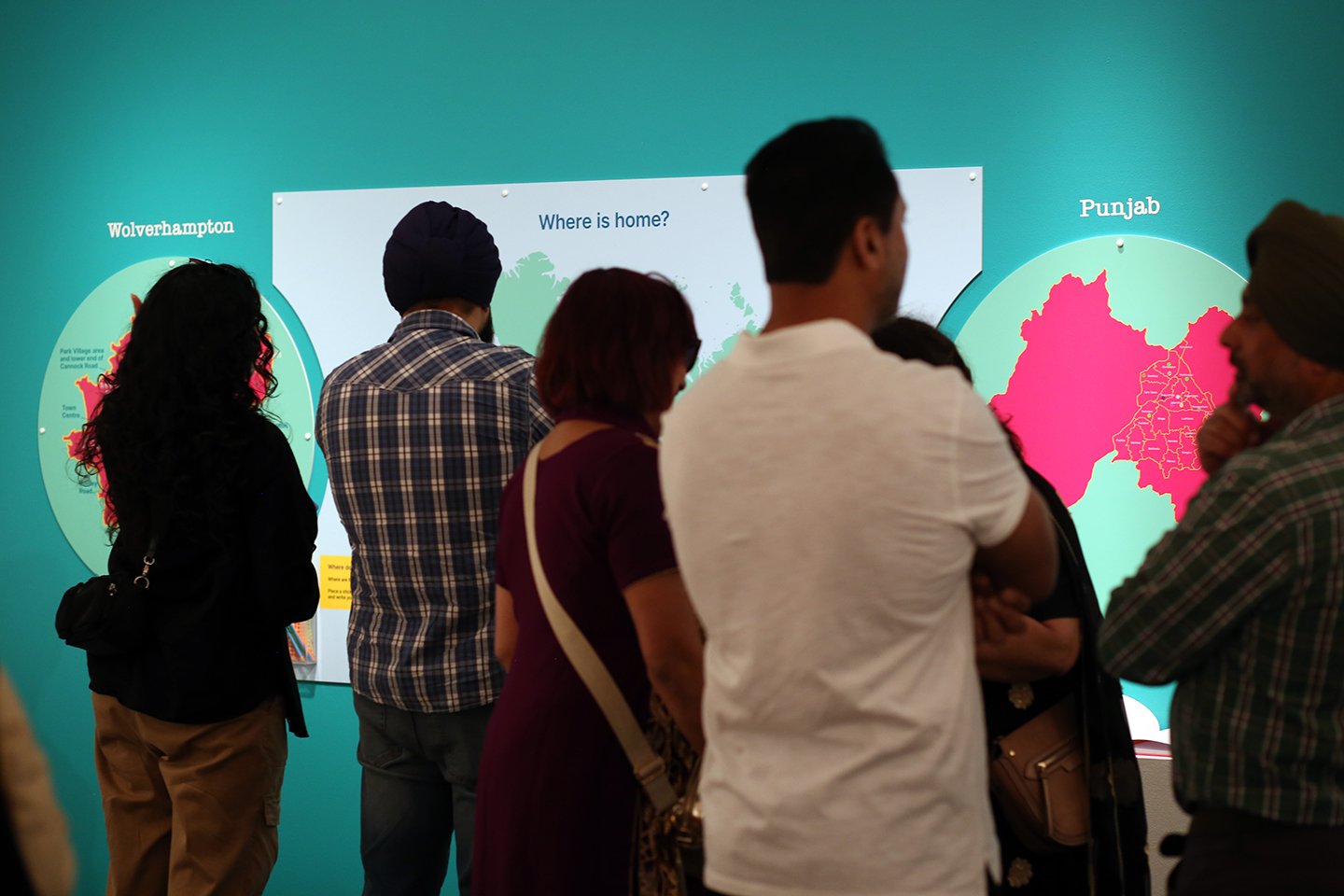
Audiences view World map along with maps of Punjab and Wolverhampton and can interact with their own country of origin on the map.

Audiences view portraits of participants co-created by them with the photographer at their former places of work.

Interpretation tranlated into Punjabi and imitated by the C UK Researcher team of volunteers. This benefited Punjabi visitors and in particular the older generation who first language is Punjabi.

Audiences listen to important historical and first hand stories about Punjabi migration by participants from th ePunjabi community at Wolverhampton Art Gallery.

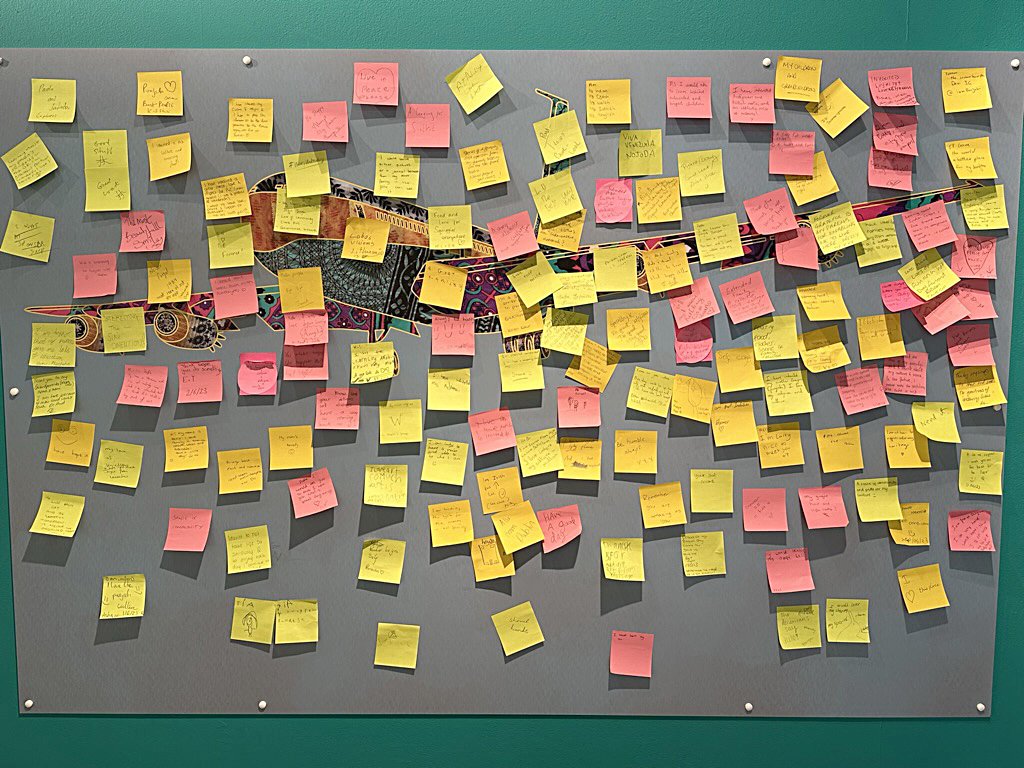
An interactive board with a plane made from Punjabi material and inspired by the research team of volunteers. A smorgasbord of opinions made by audiences interacting with the thoughts of migration to the city.

National Portrait Gallery Citizen UK Exhibition Launch at Wolverhampton Art Gallery – Celebrating Punjabi Community Stories (20 May 2023)

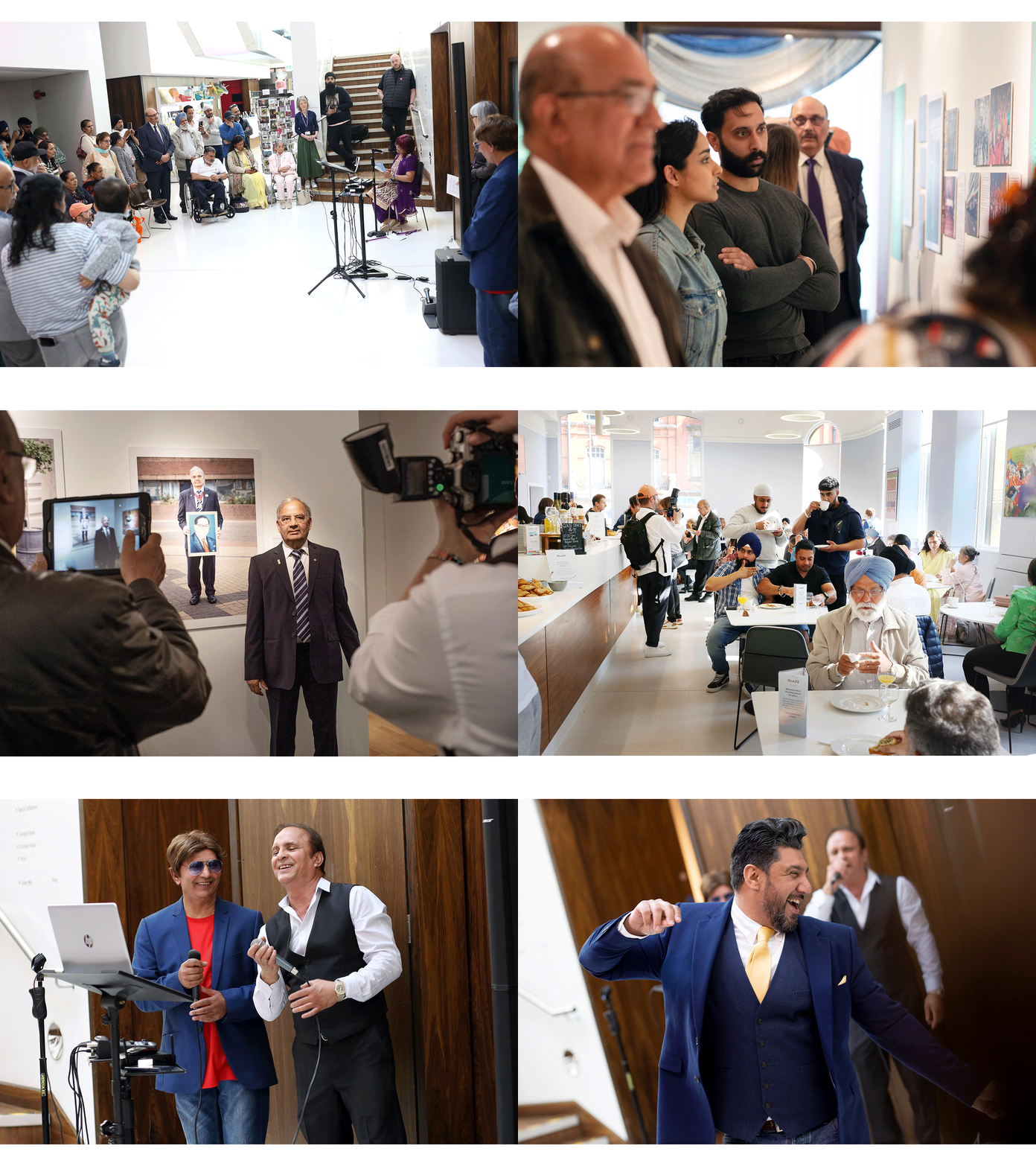
On 20 May 2023, the Punjabi Migration to Wolverhampton exhibition was officially launched at Wolverhampton Art Gallery, bringing together participants, volunteers and members of the local Punjabi community to celebrate a project co-created and co-produced by the Citizen UK Researchers.

The exhibition was developed through a collaboration between the National Portrait Gallery, Wolverhampton Art Gallery and BCVA, with local volunteers from the Punjabi diaspora playing a central role in shaping the work. At the launch event, participants and researchers took centre stage, reflecting the community-led nature of the project.

The evening featured a range of performances and contributions from participants whose stories form part of the exhibition. Kuli Kohli, Wolverhampton’s first disabled South Asian Poet Laureate, shared powerful poetry reflecting on Punjabi migration and identity. The celebration continued with music from Kash and his brother, former members of the influential Wolverhampton-based Bhangra band Azaad, who delighted audiences with their performance. Participant Mak Singh also brought the evening to life, getting visitors dancing in the gallery foyer — a memorable first for the space.

The exhibition has been warmly received by both the community and organisations across the city and was officially opened by Mayor Michael Hardacre, marking an important moment of recognition for Punjabi migration histories in Wolverhampton.

As lead artist on the project, Anand Chhabra worked closely with the Citizen UK Researchers over several months, supporting volunteers through training in photography, oral history recording and archival research. Together, the team developed an exhibition that celebrates the stories, experiences and contributions of Punjabi communities in the city.

It was particularly meaningful to see how the exhibition resonated with visitors from the Punjabi community, demonstrating how arts and heritage projects can create spaces where communities see their histories recognised and valued.

BCVA would like to extend sincere thanks to the teams at Wolverhampton Art Gallery for their warm hospitality and support in hosting the event, and to our lead partners at the National Portrait Gallery for their commitment to enabling genuine co-creation and collaboration with local researchers.

After many months of hard work from volunteers, participants and partners, it was a joy to celebrate the exhibition together with the community. We will be sharing more reflections and insights from the project in future posts.

Dudley Mayors Ball invitation director Anand Chhabra nominated by the public for the Cedric Hardwicke Award for Arts 2023 and the winner is...........

It was great night for a bit of pizzaz and razzamatazz, musicians, banjo players, piano players, dancers? Mostly but not quite but we did have local impersonator of Elvis which was a lot better! He was great! It was the first ever time I got dressed to go to a black tie event! So I wasn't seriously expecting to win when up against local legends such as Billy Spakeman. I was gobsmacked to win the votes from the public who nominated me (special thanks to them) for work with Dudley College and workshops that highlighted the work of BCVA the ‘Heroes of the High Street’ and the work completed with Black Country Living Museum to highlight punjabi workers in the town through their ‘Forging Ahead’. The project was delivered at an exhibtion to a high standard at Dudley Archives with close to 300 Punjabi’s attending the opening launch at Black Country Living Museum. The work with Historic England meant local photographers had a chance to exhibit and showcase their work in national touring exhibtion.

BCVA director pictured (top) with the Cedric Hardwicke Award for the Arts at the Mayors Ball 2023. Below with Phil Brooks Photography lecturer at reception at The Copthorne Hotel Dudley.

National Portrait Gallery commission and Sathnam Singh Sanghera with his mother Surjit

Having been commissioned by the National Portrait Gallery to work on the Citizen UK Researchers project to help document Punjabi Migration Experiences in the city. Anand has been working to collect oral histories stroies by trainig researcher volunteers and also creating a number of portraits. One of the results is that we managed to pull of getting an interview from the celebrated Times columnist and award winning author for the acclaimed book ‘Empireland’. Both Sathnam and his mother Surjit were interviewed by CR UK team member Dalbero and Anand. Anand replicated the portrait from a family photograph dear to Sathnam and on the cover of his inaugral work of migration and growing up in Wolverhampton ‘The boy with the top knot’ where he stands with his mum in the garden. The exhibition of all the amazing participants showcasing their oral histories and portraits from the researchers group will be showing in May 2023 at Wolverhampton Art Gallery.

Celebrated Times columnist Sathnam Sanghera and mum Surjit at her home. Surjit holds a portrait of herself at the time she first migrated to the UK. Sathnam holds his award winning book (best non-fiction book for the Book seller awards) winning author Empireland: How Imperialism Has Shaped Modern Britain' © Anand Chhabra

Citizen UK Volunteer working Dalbero Kaur takes the lead in interviewing Sathnam Sanghera at his mum’s house for the forthcoming exhibition at Wolverhampton Art Gallery. Photograph ©Anand Chhabra

Arts centre QUAD Derby, commissions for Heritage, Migration and Photography learning.

QUAD arts centre in Derby, have commissioned our director Anand Chhabra to work on a project to work with schools in Derby. Anand was assigned to work with a very diverse YR 4 & 5 pupils, planning and organising activities for learning around transnational migration and heritage. The 5 week project largely focus on how pupils learn about their who they are & why this matters to them. Along with how we celebrate diversity and makefor representation within the city which involves working in a way that declonises the cirriculum and the way of institutions. The pupils also attain skills in taking portraits and story-telling through photography. A number of collaborative partners are involved in the project and this culminates with a focus on the individual pupils heritage and what they can do to themselves readdress representation within collections in the city that are local to them. We also create their own photographic archive for future generations to appreciate in the their school and local library (watch this space!). One of the effects from our work promotes respect of difference and community cohesion along with knowledge and skills sharing that school cirriculum does not address when celebrating diversity with parents, pupils, and stakeholders in the school. Photos below of our second week exploring local collections at Derby Museums & Art Gallery which felt like ‘A Night at the Museum’ where things came to life.

Pear Tree Community School have a day at Derby Mueums & Art Gallery exploring collections and learning Photo-Storytelling Skills. Images © Anand Chhabra